
Affordable SEO Services by a Results-Driven SEO Agency

Affordable SEO Services by a Results-Driven SEO Agency

Last month, we met with a home services business in the Allen–Plano corridor that “had SEO” before. The website looked polished, the blog was active, and yet calls were down. When we dug in, the issue wasn’t a single magic ranking factor—it was a mismatch between what their pages were trying to rank for and what local customers were actually searching for on mobile.

That’s the kind of problem affordable SEO services should solve: getting your website and content aligned with buyer intent, local search behavior, and the technical basics that keep you eligible to rank.

In this guide, I’ll explain what we typically do as a results-driven SEO agency, where costs usually go (and where they shouldn’t), what most businesses get wrong, and a practical checklist you can use to evaluate any Local SEO proposal.

Quick Answer

Affordable SEO services work when they focus on the fundamentals that drive qualified leads: local visibility (especially Google Business Profile), technical health, pages built around real search intent, and content that earns trust—not content that just fills a calendar. For Allen, TX and the broader Dallas–Fort Worth area, the biggest wins usually come from improving local rankings and conversion on the pages that already have impressions (not starting from zero with a brand-new blog).

The Short Version

If you want results without wasting budget, look for an SEO services plan that includes:

  • A real audit (indexing + technical + local + on-page)
  • Local SEO work tied to specific service areas and “near me” style queries
  • Page-level improvements (not just “more content”)
  • Clear reporting on leads and rankings that matter
  • A realistic timeline based on your starting point
TIP: In DFW, many businesses compete for the same “service + city” keywords. The companies that win usually have the best combination of local relevance + fast, conversion-ready landing pages.

What “Affordable SEO” Should Include (and What It Shouldn’t)

When people search for seo services, they often expect a menu: pay X, get Y rankings. In practice, the work is more like building a reliable system.

Here’s what we consider “affordable” in a responsible way: spending where it improves your chance of ranking and your ability to turn traffic into calls or forms.

1) Local visibility that matches how people buy

In Allen and across DFW, most customers start with intent-heavy searches like:

  • “plumber near me”
  • “emergency [service]”
  • “same day HVAC repair”
  • “best [service] in Allen”

You can’t out-write that behavior with generic articles. You need the right local signals—especially your Google Business Profile and the pages that support it.

If you’re investing in local marketing, pair this with GBP optimization so your business information, categories, services, photos, and reviews align with what people are looking for.

2) Technical SEO that keeps your pages eligible to rank

This is the part many web design agency partnerships miss when the project is treated as “SEO later.” We regularly see issues like:

  • pages blocked from crawling
  • thin or duplicate service pages
  • slow mobile load times
  • poor internal linking (so Google can’t understand your site structure)
  • missing or inconsistent location/service signals

These aren’t glamorous tasks, but they’re what make the rest of your strategy possible.

3) On-page optimization tied to specific service pages

Most local businesses don’t need a massive content library. They need clearer, stronger landing pages for the services that actually drive leads.

That means improving things like:

  • the service page’s headline and structure
  • supporting sections that answer buyer questions
  • location context where it’s truthful and useful
  • internal links that guide visitors to the next step

4) Content that earns trust (not content that just exists)

Yes, content still matters. But in our experience, the best “SEO content” for local businesses is usually:

  • FAQ-style pages that address objections
  • comparison pages (e.g., repair vs replace)
  • seasonal service guides that map to intent windows
  • neighborhood-level content only when you can support it with real operations

If your content doesn’t help someone make a decision, it’s rarely worth the budget.

Our Take After Working on Local Websites

We’ve supported businesses with both SEO and web design improvements, and one pattern shows up constantly: companies treat SEO like a standalone channel.

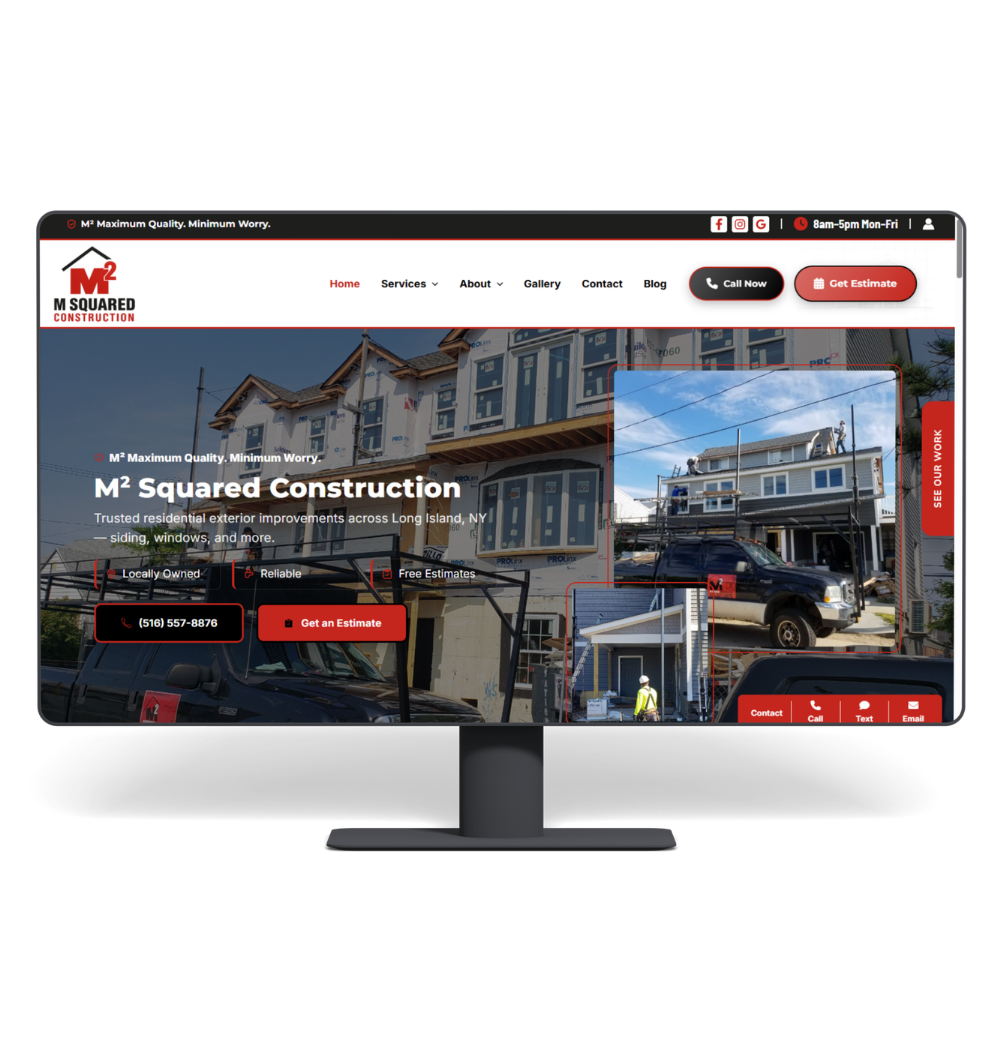
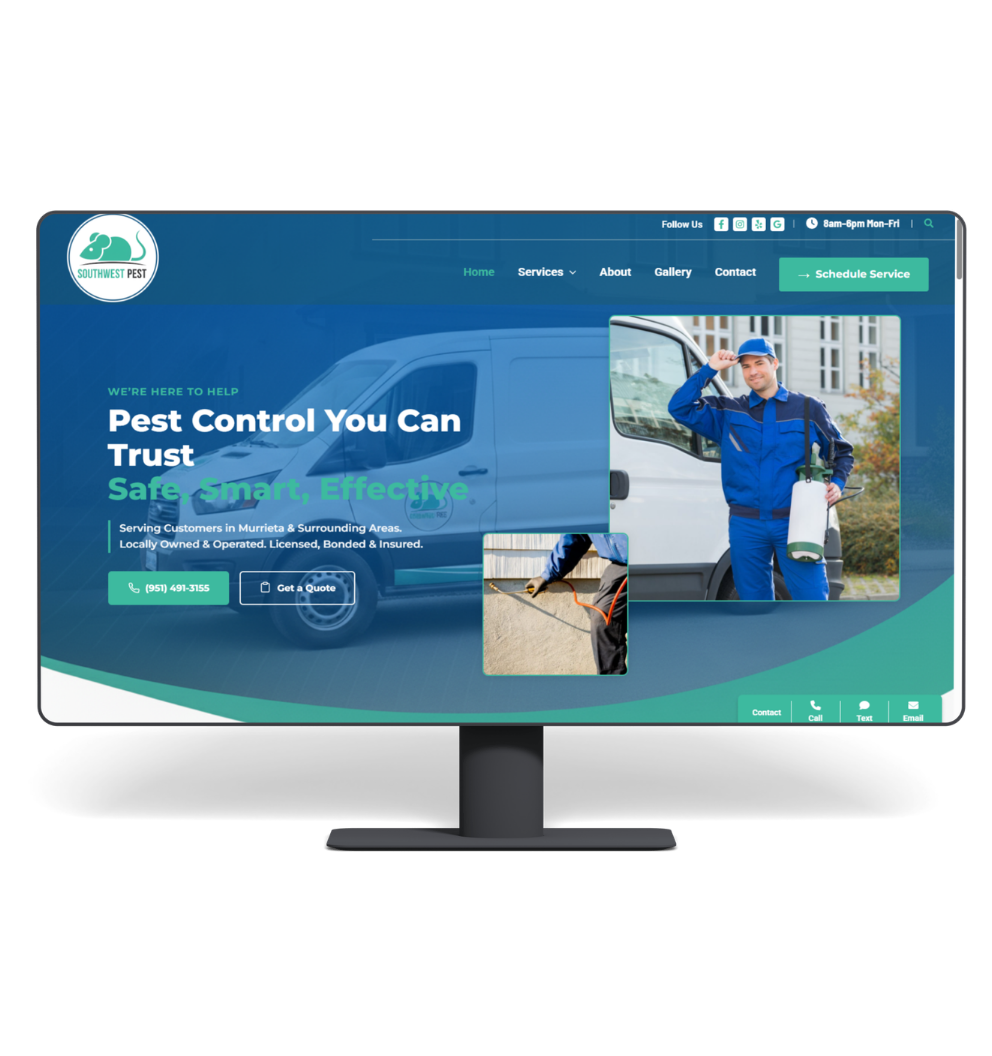
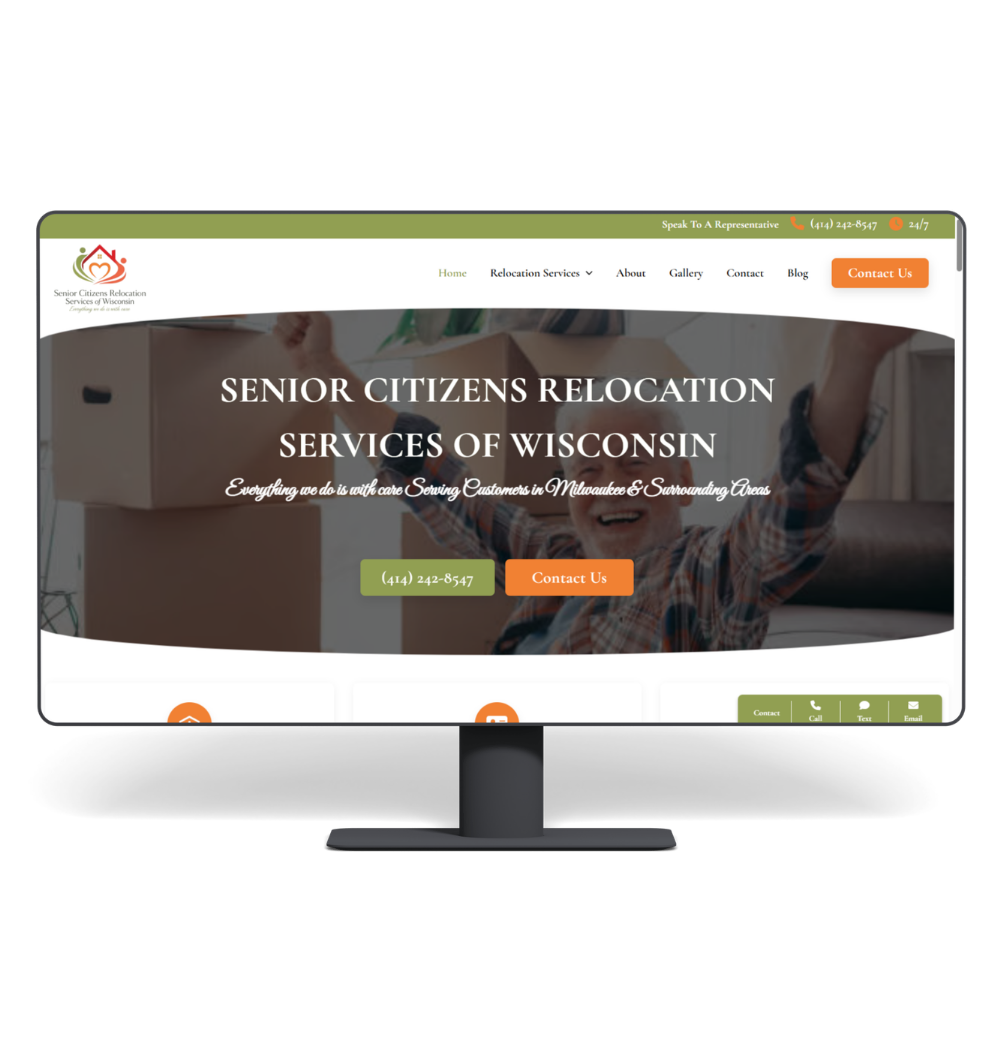
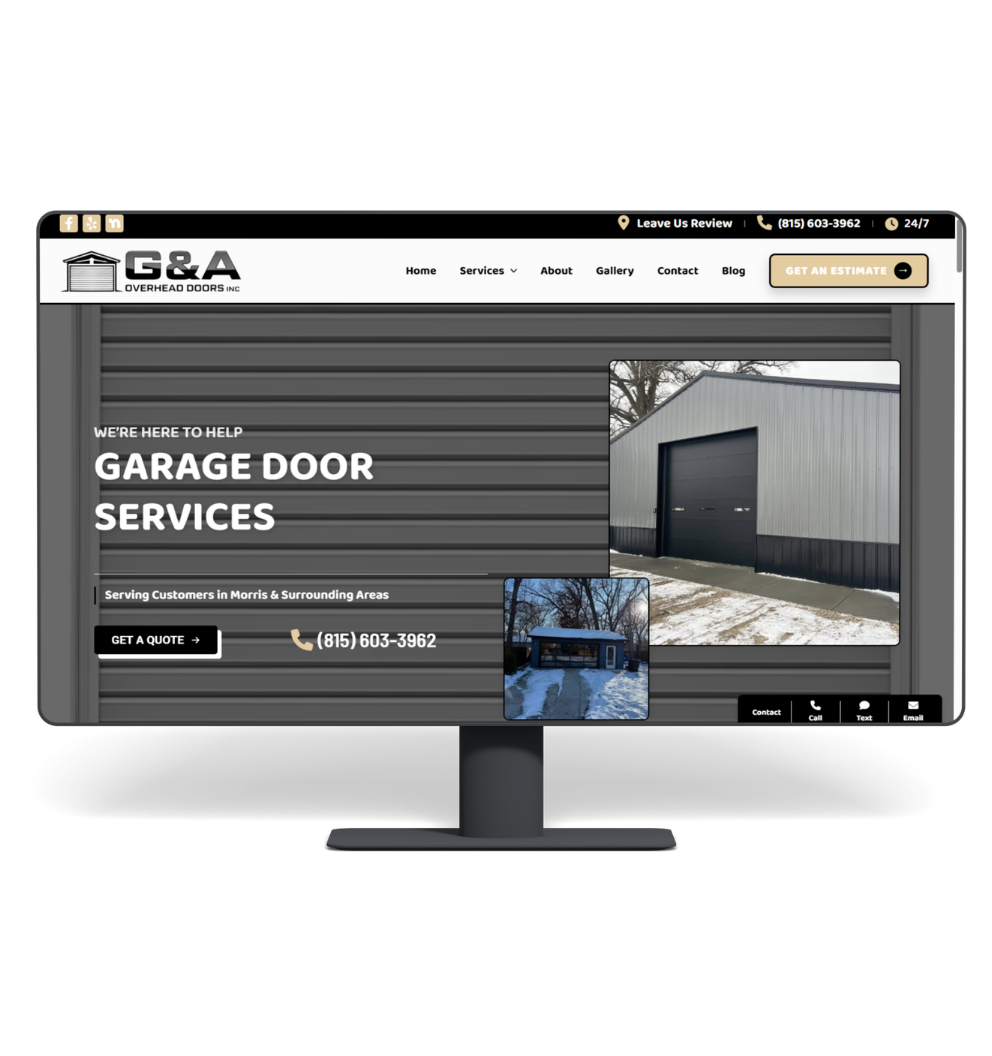
But SEO is tied to the website experience. If your homepage looks great yet your service pages don’t communicate value quickly, rankings won’t translate into leads.

A real example (anonymized, but typical): a DFW contractor had decent search visibility. After we reviewed their site, we found the service page had the right keywords in the text, but:

  • it didn’t clearly state the service scope near the top
  • the mobile layout pushed the call button below the fold
  • trust elements (reviews, permits/credentials where applicable, project photos) were hard to find
  • the contact form asked for too much information for a first inquiry

We worked on the page structure and conversion flow, while the SEO plan focused on local relevance and internal linking. Their traffic didn’t “magically explode,” but the lead quality improved—and that’s what business owners actually care about.

This is why we often coordinate web design and SEO strategy instead of handing off one to the other like separate departments.

What Most Businesses Get Wrong About This

Here are the mistakes we see most often when companies shop for SEO services or hire a SEO agency without digging into the process.

Mistake #1: Paying for “rankings,” not outcomes

If a proposal doesn’t explain what will be improved on your site (pages, technical fixes, local assets), it’s hard to trust the plan.

Ask: “What are we changing first, and why?”

Mistake #2: Starting with content before fixing the site

We’ve audited websites that were adding blog posts for months, yet core pages weren’t indexed properly or had major usability issues. That’s like marketing a product you can’t sell from the store.

Mistake #3: Treating “SEO near me” as a shortcut

“Near me” searches are real, but they’re not a keyword trick. They’re an intent signal. Google expects strong local relevance and a good user experience.

That means your business profile, service pages, and conversion paths all need to support those searches.

Mistake #4: Not aligning with how competitors win in DFW

In the Allen/DFW area, competition can be intense even for smaller niches. Competitors often have:

  • stronger review velocity
  • better service page structure
  • more consistent local content
  • cleaner site architecture

If you don’t benchmark against them, you may optimize in a direction that won’t beat the current SERP reality.

Allen, TX: What Changes for Local SEO and Web Visibility

Allen is growing, and the search behavior reflects that. People want convenience and certainty—especially for home services and professional services.

Here’s what we typically see in Allen and the surrounding DFW market:

  • Mobile-first browsing dominates: users scan service pages quickly, then decide whether to call.
  • Local trust signals matter: reviews, photos, and consistent service details influence decisions.
  • Service-area clarity wins: businesses that communicate where they operate (without sounding spammy) perform better.
  • Redesigns can unintentionally break SEO: URL structure changes, missing redirects, and template changes can wipe out hard-earned visibility.

If you’re planning updates, it’s worth thinking about SEO alongside your site refresh. A thoughtful redesign can support rankings, but a rushed one can erase progress. If you’re considering a refresh, you may want to review website redesign planning and how ongoing support works.

A Practical Strategy for Affordable SEO Services (That Actually Fits Budgets)

If you’re looking for a SEO company or marketing agency that can work within your budget, ask for a plan that follows a sequence. Here’s the framework we use with local businesses:

Step-by-Step Checklist (Use This to Evaluate Any Proposal)

Stage What you should see in the plan Why it matters
1. Audit Indexing/technical check, local visibility review, page-level gap analysis Prevents wasted spend
2. Prioritize pages A short list of service pages to improve first Focus beats chaos
3. Local foundation GBP optimization, service/categories review, review strategy, local consistency Drives map + local pack visibility
4. On-page upgrades Titles, headings, internal links, content expansion where needed Improves relevance and usability
5. Conversion alignment Mobile UX, call/form placement, trust elements Turns traffic into leads
6. Measurement Reporting tied to leads, calls, form submissions, and rankings Proves ROI
TIP: A good SEO plan doesn’t just say “we’ll optimize.” It names the pages, the technical items, and the local assets it will improve first.

Example of a realistic “first 30–60 days” plan

For many Allen-based service businesses, a reasonable starting scope looks like:

  • technical fixes and crawl/index cleanup
  • GBP optimization and service alignment
  • internal linking improvements to strengthen service-page hierarchy
  • homepage and top service-page conversion improvements (mobile-first)
  • a focused set of on-page updates for services already getting impressions

This is usually where you see early movement—then you build.

Comparison: DIY vs Professional SEO Support (DFW Reality Check)

A lot of business owners try DIY SEO because it feels controllable. Sometimes it works. Often it turns into “busy work.”

Approach Best for Common risk
DIY SEO Small sites with simple service pages and time to learn Missed technical/local details
Professional SEO + web support Businesses that need consistent lead flow Hiring without clear deliverables

If you’re investing in website design company support, remember: SEO is easier and cheaper when it’s planned into the site structure from the start—not bolted on later.

That’s why we also offer ongoing support through website maintenance plans. Search visibility and site performance don’t stay stable without care.

What Google Actually Rewards Now (No Hype)

Google doesn’t publish a simple “SEO checklist” that guarantees results. But it does provide guidance on creating content and experiences that are genuinely helpful and accessible.

Two references we point clients back to when questions come up:

  • Google Search Central on creating helpful, people-first content: https://developers.google.com/search/docs/fundamentals
  • Google’s general guidance on SEO best practices and fundamentals: https://developers.google.com/search/docs/beginner/seo-starter-guide

In plain terms, Google tends to reward:

  • pages that satisfy the search intent clearly
  • sites that are crawlable and technically sound
  • experiences that work well on mobile
  • local businesses that show consistent, accurate local information

If your “SEO strategy” ignores those fundamentals, it usually gets expensive quickly.

Ready to Improve Your Website or Rankings?

If you want affordable SEO services that focus on what drives calls in Allen and the wider Dallas–Fort Worth market, Click Wise Design can help you build a plan that’s practical, measurable, and aligned with how your customers search.

About Click Wise Design

Click Wise Design is a web design and SEO company based in Allen, TX, helping local and service-based businesses improve their websites, search visibility, and online lead generation. The team focuses on practical, conversion-focused strategies that support long-term growth instead of short-term ranking tricks.

Leave a Comment

Your email address will not be published. Required fields are marked *

Click Wise Design
Call
Contact
Search Website
Powered By Click Wise Design
Contact
Call
Text
Email