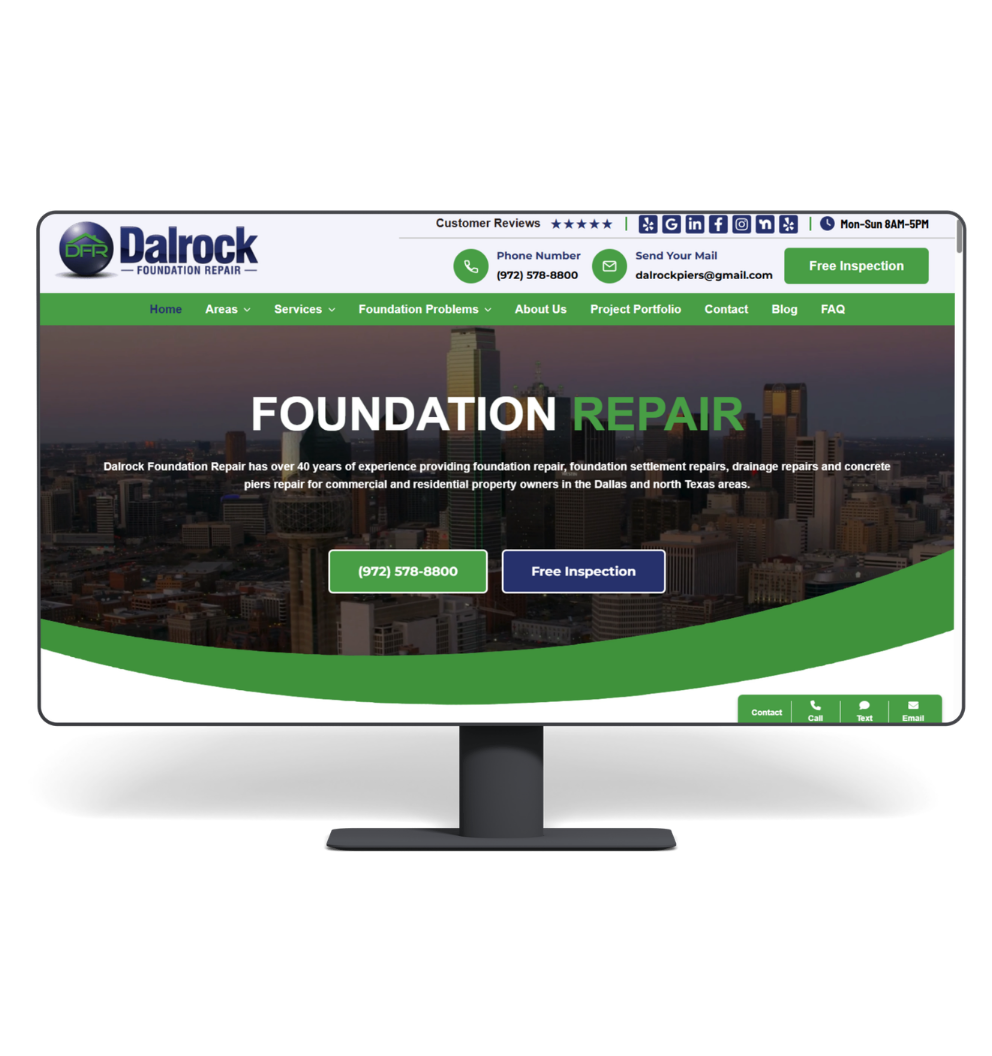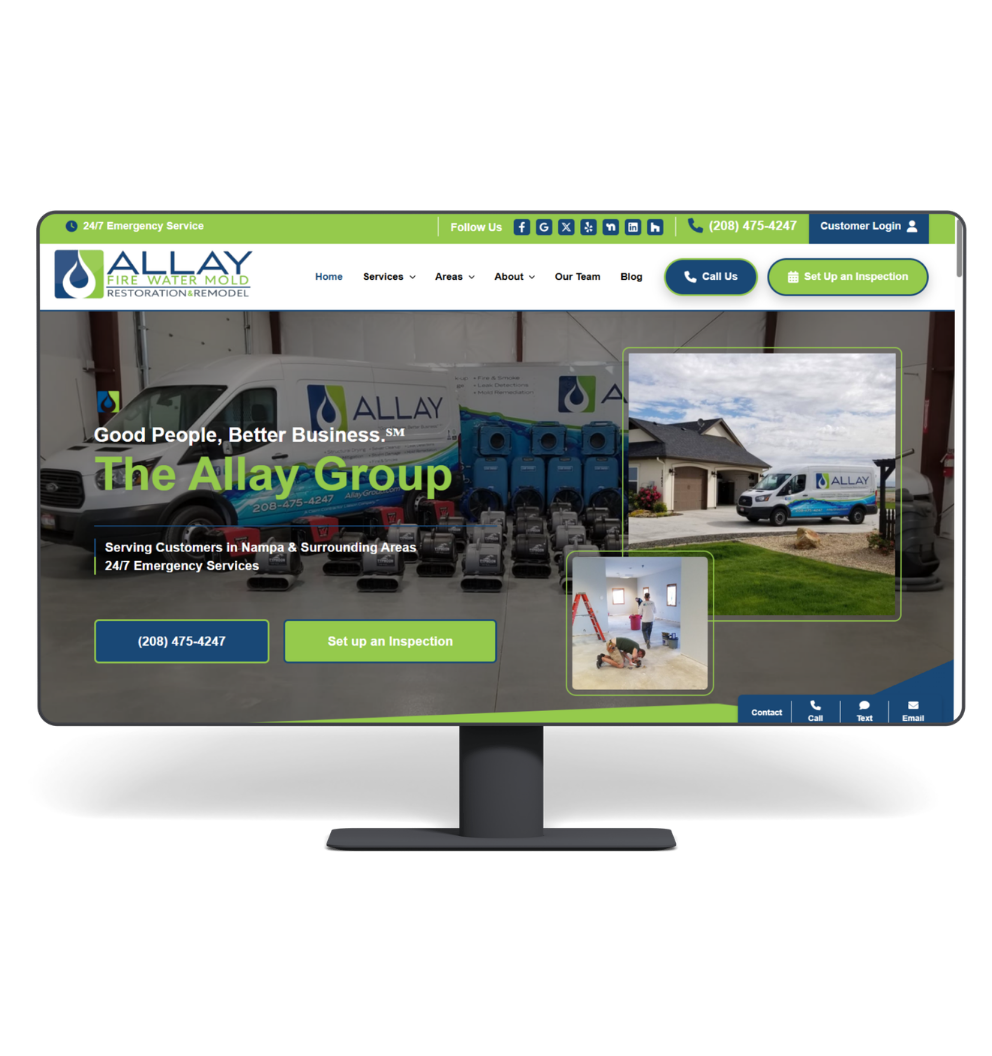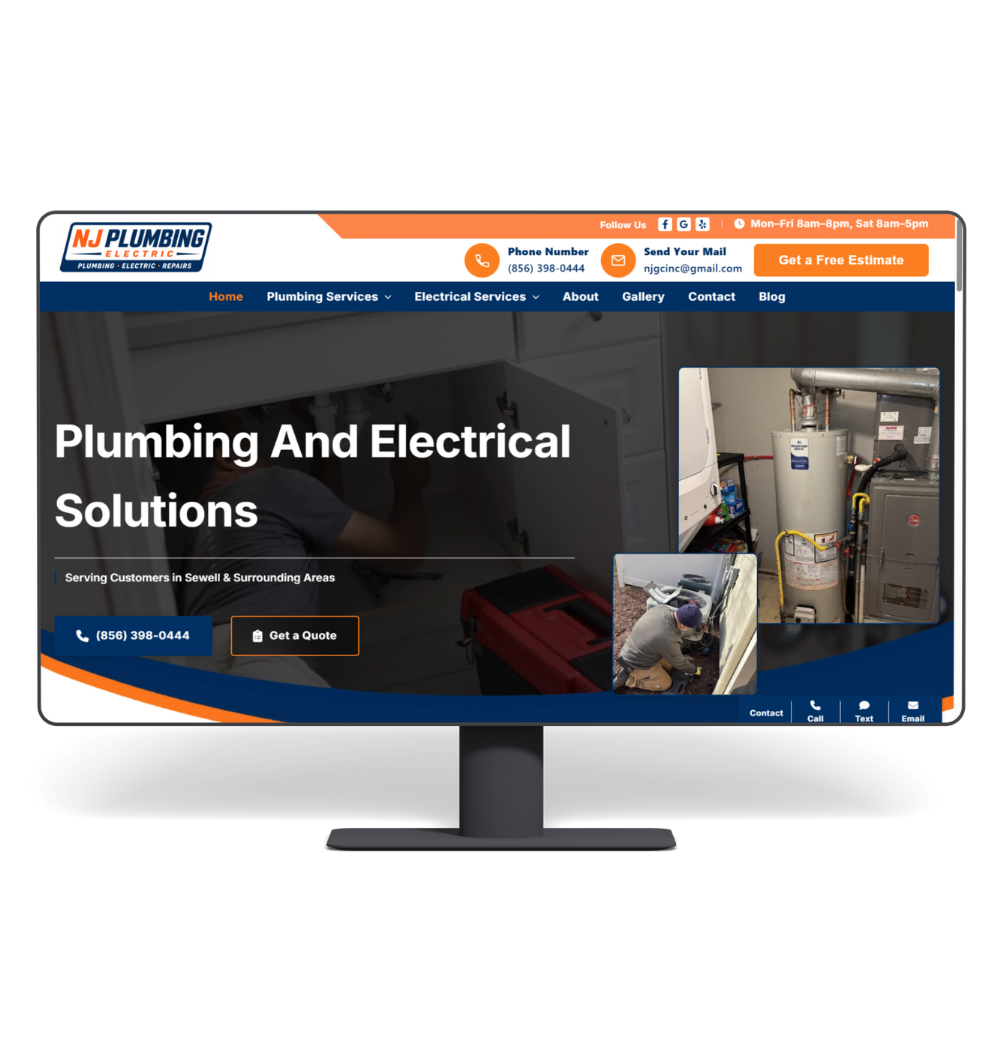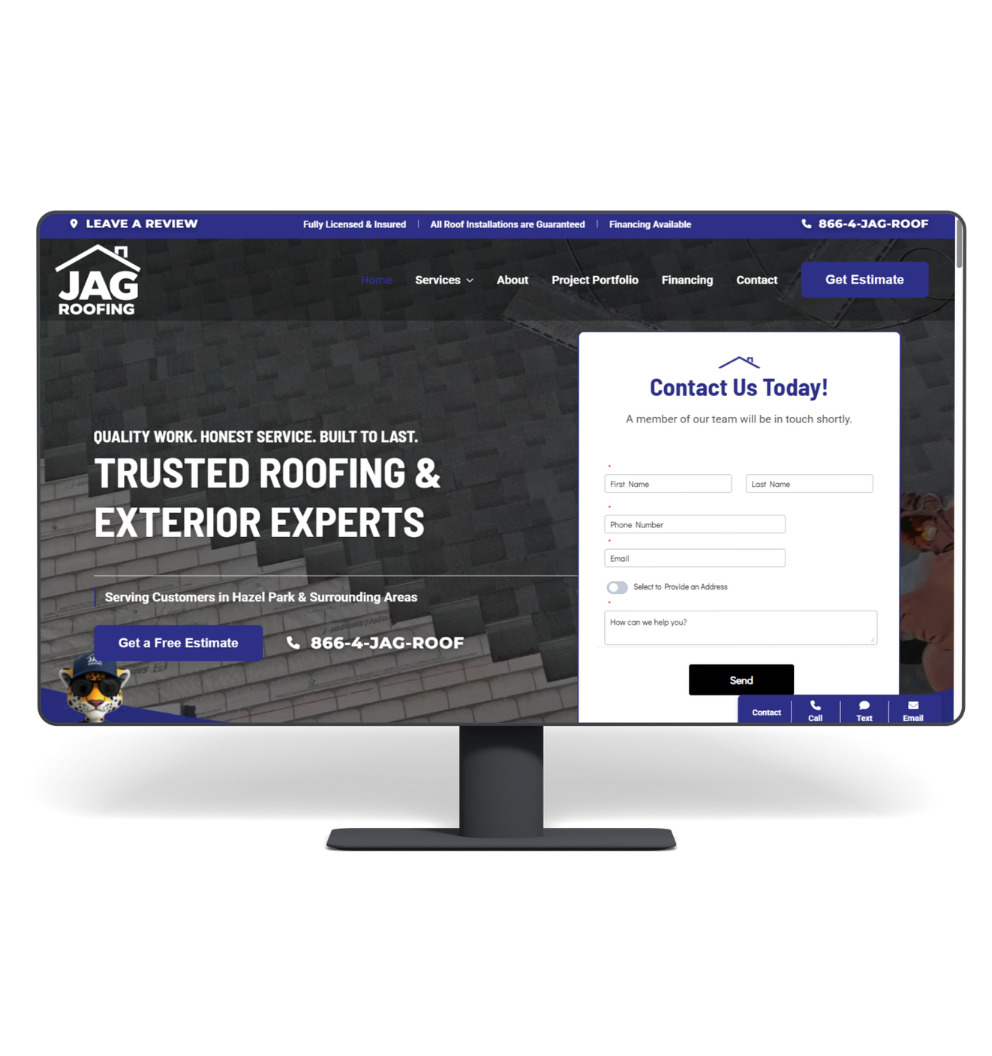

SEO Company Tactics to Improve Click-Through Rates

SEO Company Tactics to Improve Click-Through Rates

Last week, I had a quick call with a service business in the Dallas-Fort Worth area. Their rankings weren’t terrible—some keywords were hovering on page one—but their phone wasn’t ringing like it used to. When we looked at Search Console, the pattern was clear: impressions were up, but clicks were flat. In plain terms, Google was showing their page… and people weren’t choosing it.

That’s the real job of an SEO company tactic that matters: improving click-through rate (CTR) without tricking anyone. Because in Allen and across DFW, customers don’t “browse” for long—they scan results fast, check trust signals, and click the option that feels most relevant and easiest to act on.

In this article, I’ll show you the tactics we use (and the ones we avoid) to improve CTR from search results—plus how these ideas connect to web design and local SEO for businesses around Allen, TX.


Quick Answer

To improve click-through rates, focus on what your listing looks like and what your landing page delivers:

  • Write search-friendly titles and meta descriptions that match actual search intent
  • Use structured data to earn richer results where it fits
  • Tighten internal page alignment so the right page ranks for the right query
  • Improve “first impression” elements on the page (speed, clarity, credibility) so the click converts
  • For local businesses, optimize Google Business Profile signals and location relevance so map results earn more attention

If you want the short version: CTR is a messaging + trust + relevance problem, not just a keyword problem.


What Actually Drives CTR (And Why Most SEO Teams Miss It)

CTR is often treated like a vanity metric. In practice, it’s a feedback loop:

1. Your snippet earns impressions.
2. Your snippet earns clicks.
3. Your page earns engagement (and conversions).
4. Google keeps showing what performs.

I’ve seen the “rank-and-hope” approach fail repeatedly. A website can rank #3 for a valuable keyword and still lose to a competitor at #5 if their result is clearer, more compelling, and more trustworthy.

Here’s what we typically examine first when a business says, “Our SEO isn’t working” but rankings look okay:

1) Snippet mismatch

Your title and meta description might be technically accurate, but they don’t reflect what the searcher is trying to solve.

Example from real audits (anonymized): A commercial roofing company had a generic title like “Roofing Services in Texas.” The intent behind many searches was “emergency roof repair” and “storm damage.” Their snippet didn’t mention urgency, inspections, or claims help—so users clicked the competitor who did.

2) Page intent drift

Sometimes the “ranking page” is not the best page for the query. It might be an old blog post or a service page that’s slightly off-topic.

This is especially common after redesigns or after someone adds content without updating the site structure.

3) Trust signals in the snippet (and on the page) are weak

Searchers click what feels safe. If your snippet doesn’t communicate credibility—reviews, service area clarity, process, guarantees—your CTR will lag even if your SEO is “technically fine.”


The SEO Company Tactics That Move CTR in the Real World

Below are tactics that tend to produce measurable CTR improvements. Not all of them apply to every site, but each one is grounded in what we see working across local and service-based businesses in the DFW market.

1) Rewrite titles/meta descriptions around intent, not just keywords

Most pages use titles that are either:

  • too broad (“Home,” “Services,” “Welcome”), or
  • keyword-stuffed (“Best SEO Services in Dallas SEO Services Company”)

A better approach is to map titles and descriptions to the jobs people are hiring you for.

Practical example (service business):

  • Instead of: “HVAC Repair | AC Services”
  • Use: “Same-Day AC Repair in Allen, TX — Fast Diagnostics & Honest Pricing”

You’re not “stuffing” location—you’re clarifying the promise.

TIP: If you serve multiple areas around Allen, TX, don’t cram every city into one snippet. Build clearer page-to-area alignment and let each page earn its own CTR.

2) Use CTR experiments with Search Console data (not guesses)

You don’t need to rewrite everything. You need to improve the results that are already getting impressions.

We typically filter pages where:

  • impressions are meaningful, and
  • average position is roughly 8–20 (that’s where CTR gains are most available), and
  • CTR is below the site’s baseline.

Then we test:

  • 1–2 title variations
  • a tighter meta description focused on the “why click” reason (speed, expertise, process, pricing clarity, warranty, etc.)

3) Add structured data where it earns attention (and where Google supports it)

Structured data won’t magically create rich results for every page. But when it’s relevant—like local business, reviews/ratings (where eligible), FAQs (when they match real content), or service details—it can improve how your listing appears.

Important: we use schema to clarify, not to embellish.

Reference to keep in mind: Google’s guidance on structured data and rich results is the baseline for what to implement and what to avoid.

  • https://developers.google.com/search/docs/appearance/structured-data/intro

4) Build “snippet-to-page” continuity (this is where conversions—and CTR—come from)

A lot of websites ask for the click, but don’t earn it after the click.

If your snippet promises “Same-Day Service,” your landing page must immediately confirm:

  • availability
  • what happens next
  • response times (or realistic expectations)
  • trust signals (reviews, credentials, photos, locations served)

This is why web design and CTR are inseparable. If the page feels slow, cluttered, or unclear on mobile, users bounce—and that undermines the click performance loop.

If you want a deeper look at how web design impacts search outcomes, start with:
web design

5) Tighten internal linking so the right page becomes the “best click”

Internal linking isn’t just for crawling—it helps Google understand which page best matches a query.

We often fix CTR problems by:

  • linking from high-impression pages to the most relevant service pages
  • removing competing pages that confuse intent
  • ensuring the service page has the information users expected from the snippet

For teams that are currently juggling multiple service pages, this is a common win:
Local SEO

6) Stop treating redesigns like a one-time event

A redesign can absolutely improve CTR—but only if it preserves:

  • page intent mapping
  • metadata quality
  • internal linking structure
  • performance on mobile

We’ve seen CTR drop right after launches because titles were rewritten more generically, or because key conversion content was moved below the fold.

If you’re planning a refresh, these pages matter:
professional website redesign
And once it’s live, ongoing support helps prevent small regressions:
ongoing website support


What Most Businesses Get Wrong About This

Here’s the mistake we see most often: confusing ranking with click demand.

A business will say, “We’re not getting traffic,” but what they mean is:

  • “We’re getting impressions but not enough clicks.”

Then they push for more keywords, more content, or a “bigger SEO package.” That can help over time, but it doesn’t directly fix the snippet or the post-click experience.

Common missteps:

  • Titles that describe the site, not the customer’s job
  • Meta descriptions that don’t add any decision-making value
  • Service pages that don’t match the promise in the search result
  • Overlapping pages that compete for the same query (so Google can’t decide which one to show)
  • Ignoring mobile performance and clarity (especially for local service searches)
TIP: If your CTR is low but your position is decent, prioritize snippet + landing page continuity before you expand content volume.

What This Means for Allen Businesses (DFW Search Behavior)

Allen, TX customers often search with high intent and time pressure. They’re not looking for a history lesson—they want the provider who can solve the problem quickly and reliably.

In the DFW area, that shows up in search patterns like:

  • “same day”
  • “near me” variants
  • “repair” vs “service”
  • clear service area expectations
  • trust signals (reviews, photos, established process)

That’s why local visibility tactics matter for CTR too. Map results and local pack listings can dominate the screen, so your organic CTR depends on how well your Google Business Profile is set up and how consistently your website supports it.

If your business relies on local calls and direction requests, don’t separate “Local SEO” from CTR. They’re linked by the same trust and relevance signals:
GBP optimization


A Simple Framework: The “CTR Scorecard” We Use

If you want something you can take into your next meeting with an SEO team, use this scorecard.

Step-by-Step Checklist (CTR Scorecard)

1) Identify the pages to improve

  • Pull Search Console performance for the last 28–90 days
  • Filter for pages with meaningful impressions
  • Focus on average positions ~8–20 (often the best CTR improvement zone)

2) Audit the snippet

  • Does the title match the query intent?
  • Does the meta description add a decision-making reason to click?
  • Does the snippet mention the key differentiator (speed, pricing clarity, warranty, specialization)?

3) Confirm snippet-to-page match

  • Do the first 5 seconds on the landing page deliver what the snippet promised?
  • Is the primary action obvious on mobile?
  • Are trust signals visible above the fold (or the first scroll)?

4) Check local relevance (for service businesses)

  • Does the page clearly state service areas you actually serve?
  • Is there a consistent business profile footprint (hours, phone, categories, service details)?
  • Are you sending users to the right page for their location/service?

5) Fix internal page competition

  • Are multiple pages targeting the same query?
  • Are internal links pointing to the best destination page?

6) Test, don’t thrash

  • Make 1–2 changes at a time
  • Track CTR changes for 2–4 weeks (or longer depending on indexing and seasonality)

If you’re evaluating an SEO services provider, you can ask: “How do you pick which pages to test first, and how do you measure CTR changes separately from rankings?”


Old vs Modern CTR Improvements (Quick Comparison)

Approach What it looks like Why it stalls What we do instead
“More keywords” More pages, same snippet style Doesn’t change the click decision Intent-based titles/meta + page alignment
“Rank first” Focus on position only CTR may lag even at good positions Improve snippet + post-click experience together
“Template redesign” Same structure for every service Can dilute intent and hide trust Service-specific layouts + clarity above the fold
“One-and-done fixes” Change metadata once Small regressions after launch Ongoing monitoring and controlled tests

Ready-to-Use Example: What a Better Snippet Looks Like

Let’s say a web design company is targeting “web design agency” searches.

A weaker snippet:

  • Title: “Web Design Agency”
  • Description: “We provide web design and development.”

A stronger snippet:

  • Title: “Web Design Agency for Local Businesses in Allen, TX”
  • Description: “Conversion-focused design, mobile-first layouts, and SEO-ready pages—built to help customers find and contact you.”

Notice the difference: the stronger snippet clarifies who it’s for, what outcome to expect, and why to click now.

That’s the kind of messaging work that can lift CTR even if your rankings don’t move dramatically on day one.

If you want to connect CTR improvements to the website side, this is the type of work we do:
web design and
professional website redesign


Quick Answer: What Should an SEO Company Do First to Improve CTR?

An SEO company focused on CTR should start by auditing pages with impressions but underperforming clicks, then improving:

1. Titles and meta descriptions to match the actual search intent
2. Snippet-to-page alignment so visitors immediately find what they expected
3. Local relevance (for service businesses) through Google Business Profile support and service-page clarity
4. Structured data only where it’s eligible and genuinely helpful
5. Controlled testing using Search Console so improvements are measurable

If they jump straight into publishing more content without checking snippet performance and post-click clarity, you’ll likely waste time.


FAQ

Why did my rankings stay similar, but my CTR dropped?

A CTR drop with stable rankings usually means the search results changed (competition updated snippets, Google adjusted how it displays your result, or rich results increased), or your snippet/page match weakened (new titles, metadata changes, or redesigns that moved key info on mobile). Start with Search Console: compare CTR by page and date range, then review top queries and the current SERP layout.

Can AI-written content still improve CTR?

Yes—if AI content is edited to match intent and supports the page experience that earns clicks. But CTR usually improves from presentation (titles, meta descriptions, and clarity above the fold) as much as from the words on the page. AI can help draft, but your differentiation, trust signals, and formatting still need human judgment.

Should I chase rich results to improve click-through rate?

Rich results can help, but only when your site actually qualifies. The wrong structured data or content that doesn’t support the markup can backfire. Start with eligible schema types and focus on clarity. For local businesses, strong Google Business Profile fundamentals and clean service-page structure often deliver more consistent CTR gains than trying to “force” rich snippets.

How long does it take to see CTR improvements after changes?

If you’re editing titles/meta descriptions, you may see changes within a few weeks once Google re-crawls and re-renders. Post-click and internal linking improvements can take longer because engagement signals and indexing updates need time. In most cases, plan for 4–8 weeks to judge meaningful movement, then iterate.


Ready to Improve Your Click-Through Rates?

If you suspect your website is getting seen in Google but not getting chosen, the fastest path is usually targeted snippet + landing page alignment—not another broad keyword push. Click Wise Design can help you identify the highest-impression pages, tighten the message, and improve the experience that happens after the click.

About Click Wise Design

Click Wise Design is a web design and SEO company based in Allen, TX, helping local and service-based businesses improve their website visibility and online lead generation. We focus on conversion-focused web design, practical SEO strategy, and CTR-driven improvements that make searchers more likely to click—and stay long enough to contact you.

Leave a Comment

Your email address will not be published. Required fields are marked *

Click Wise Design
Call
Contact
Search Website
Powered By Click Wise Design
Contact
Call
Text
Email