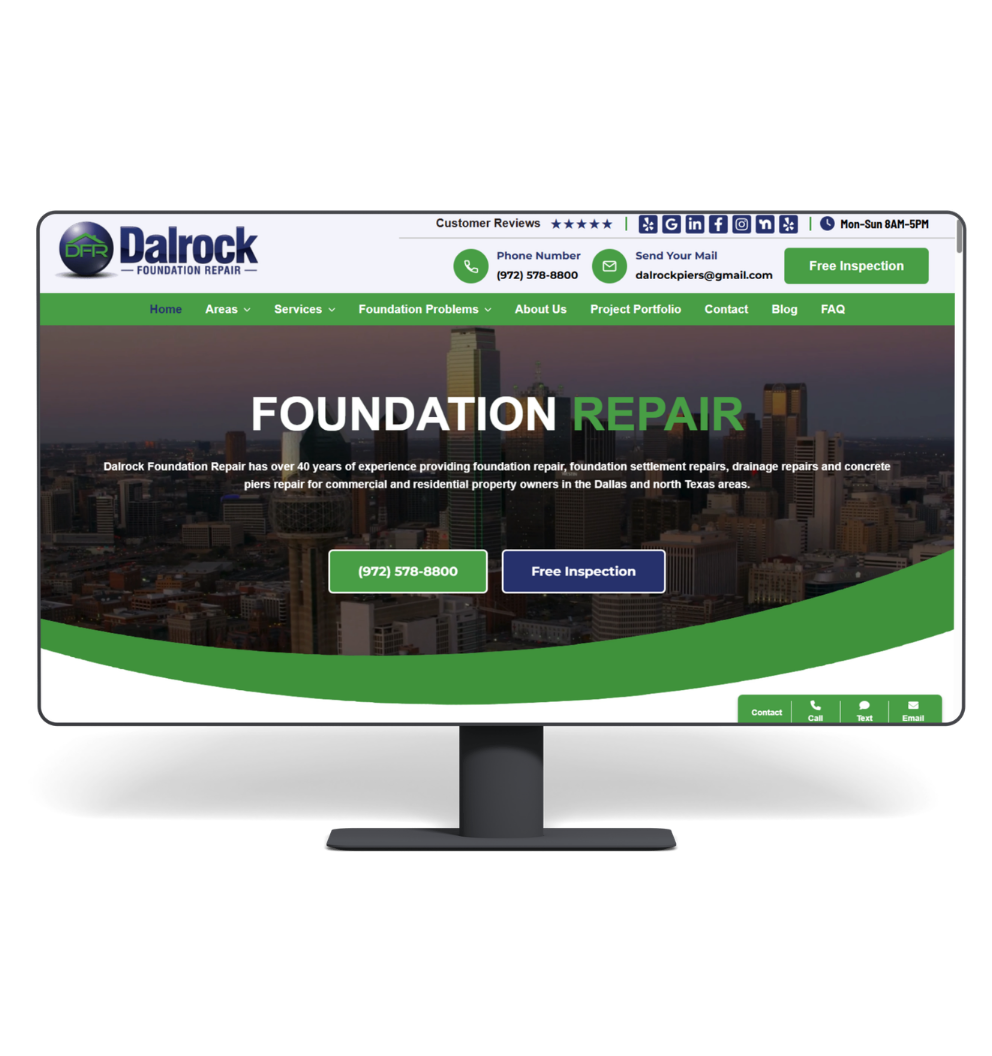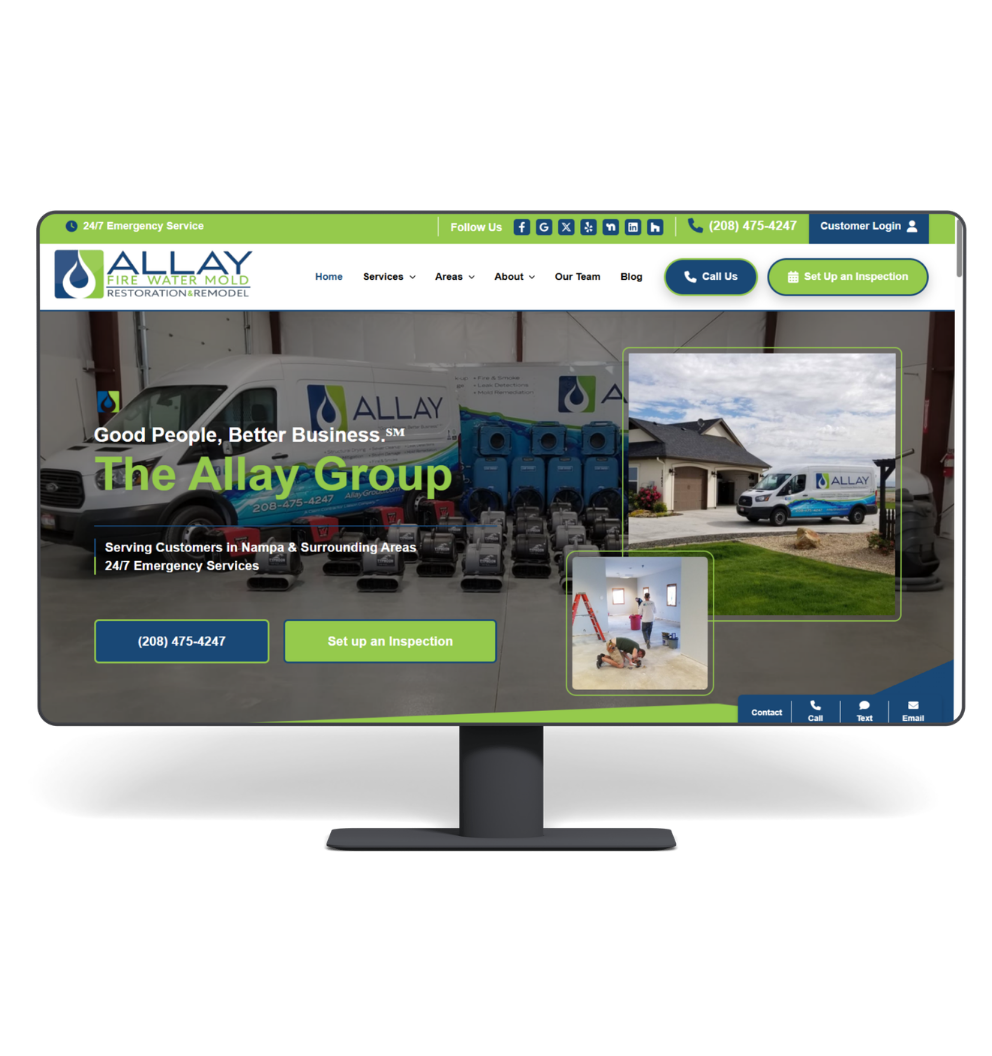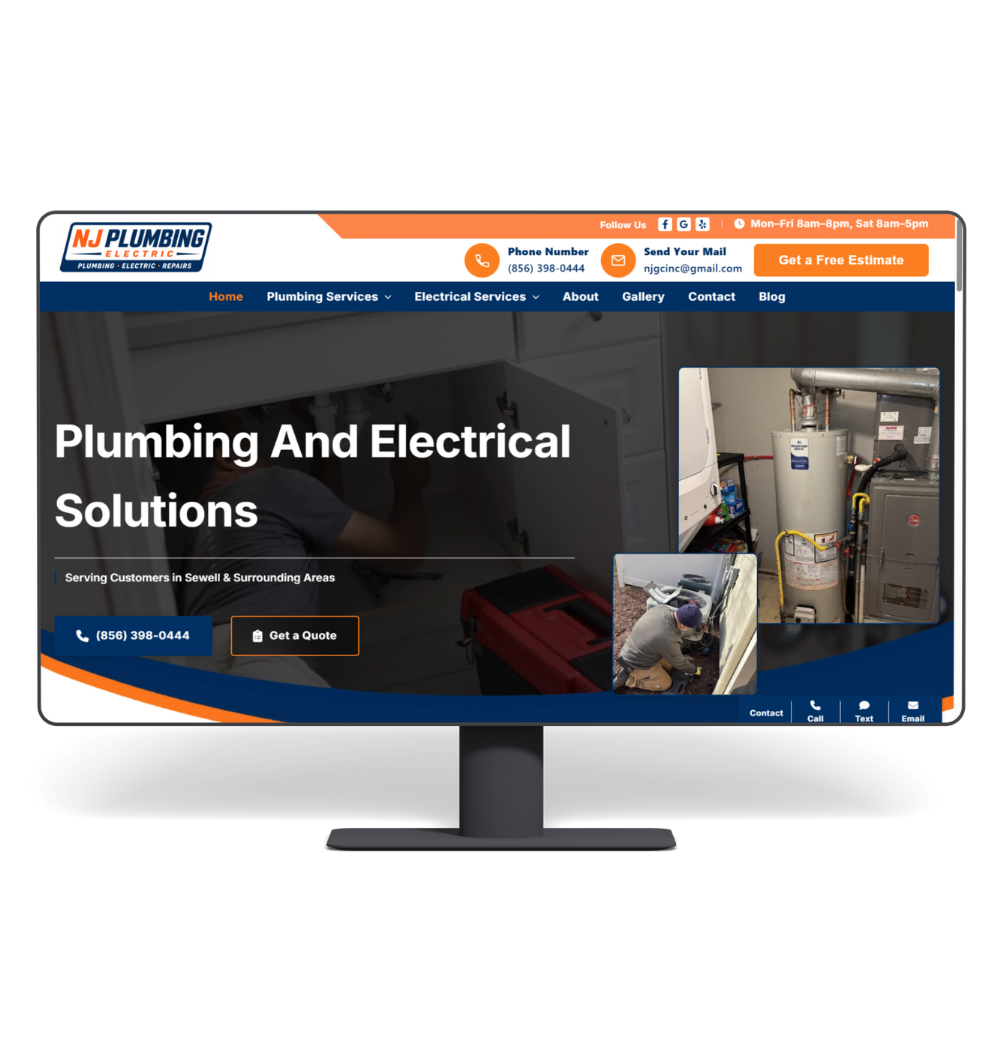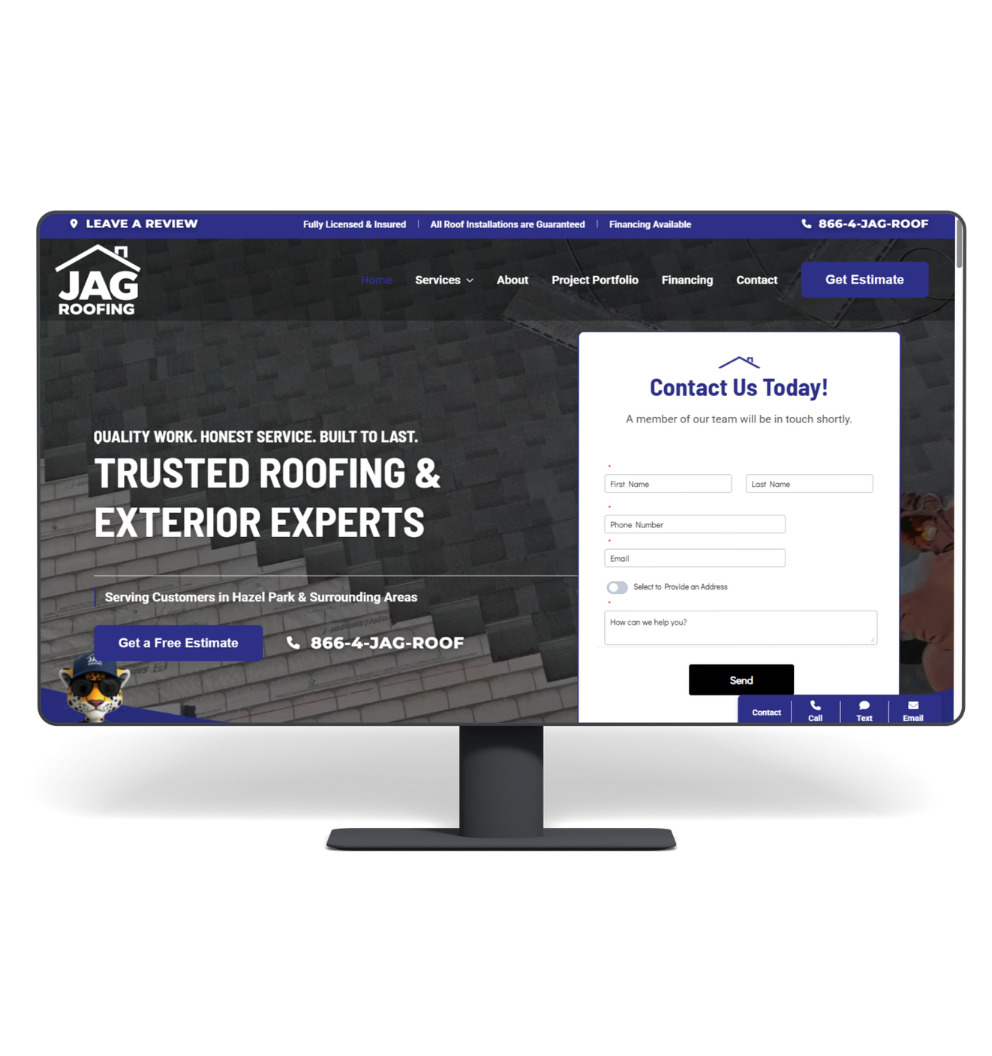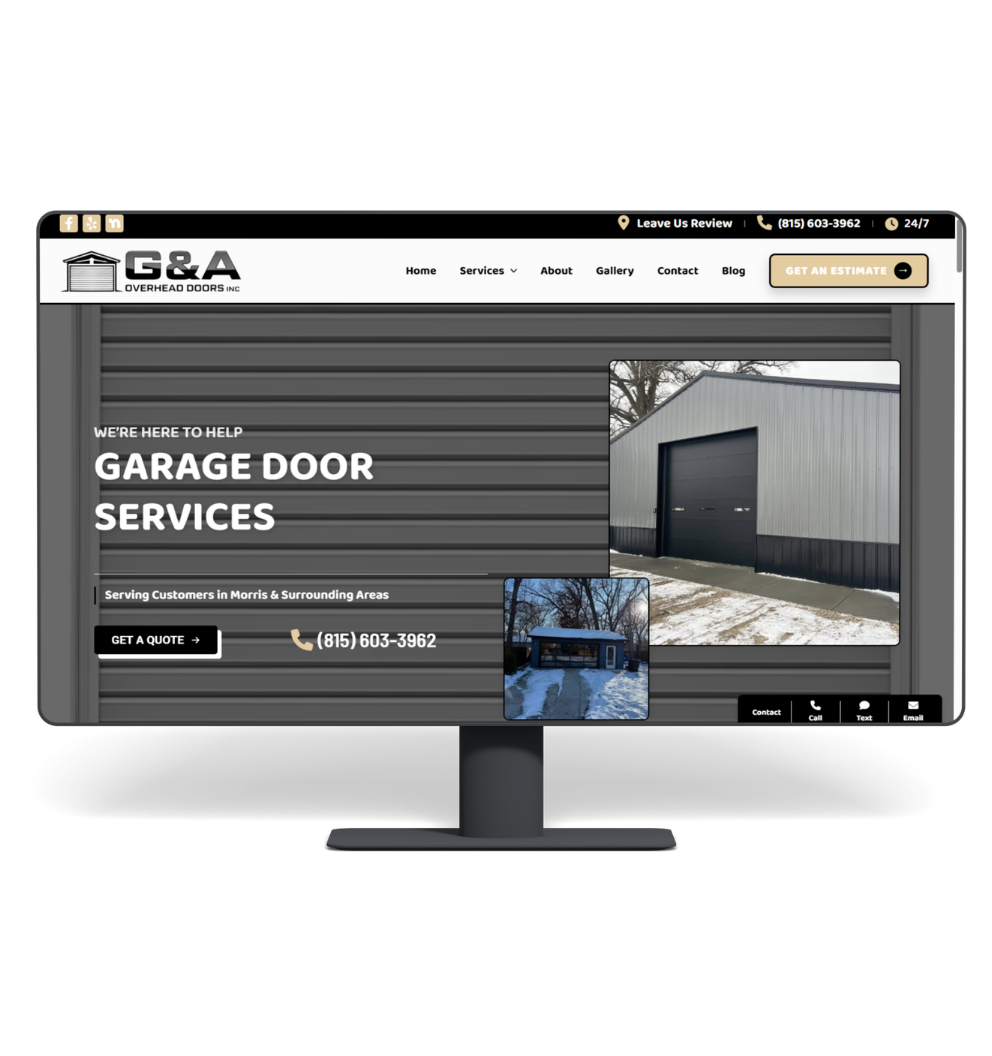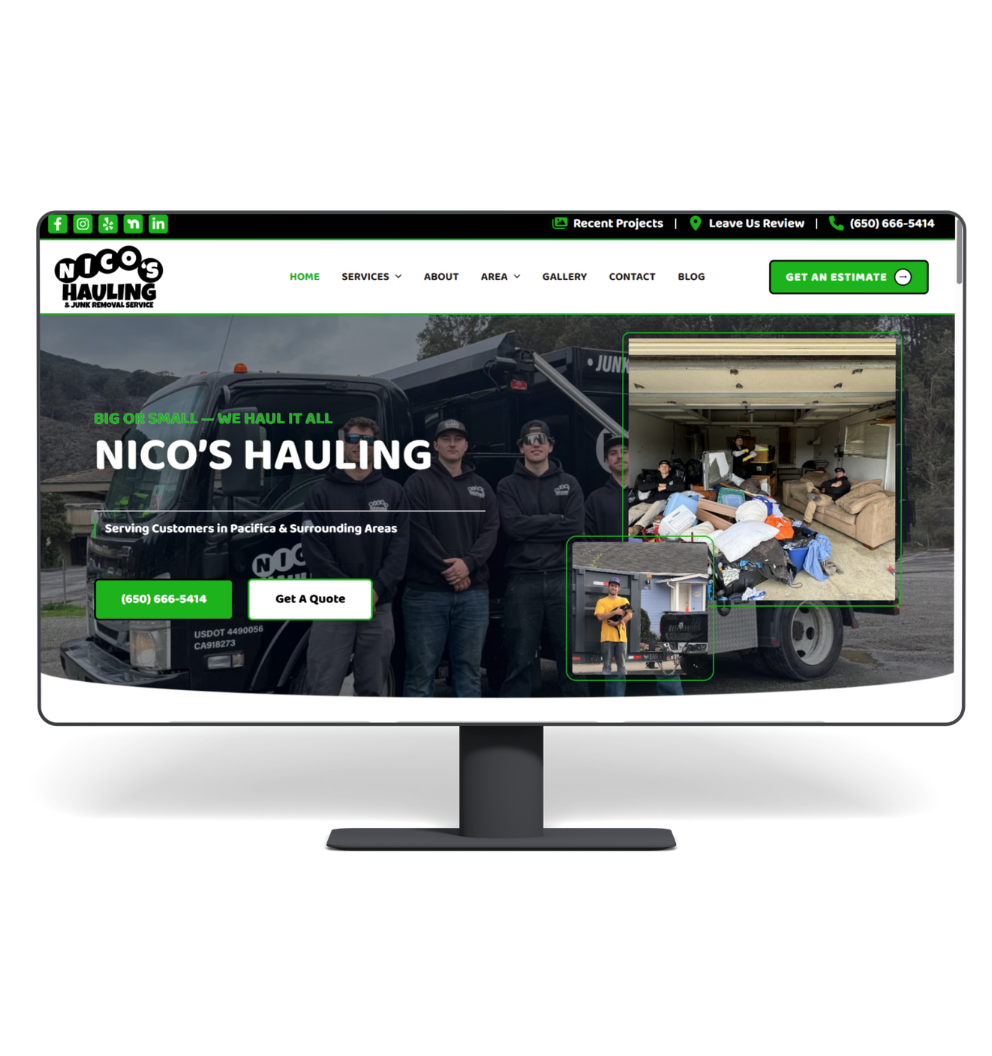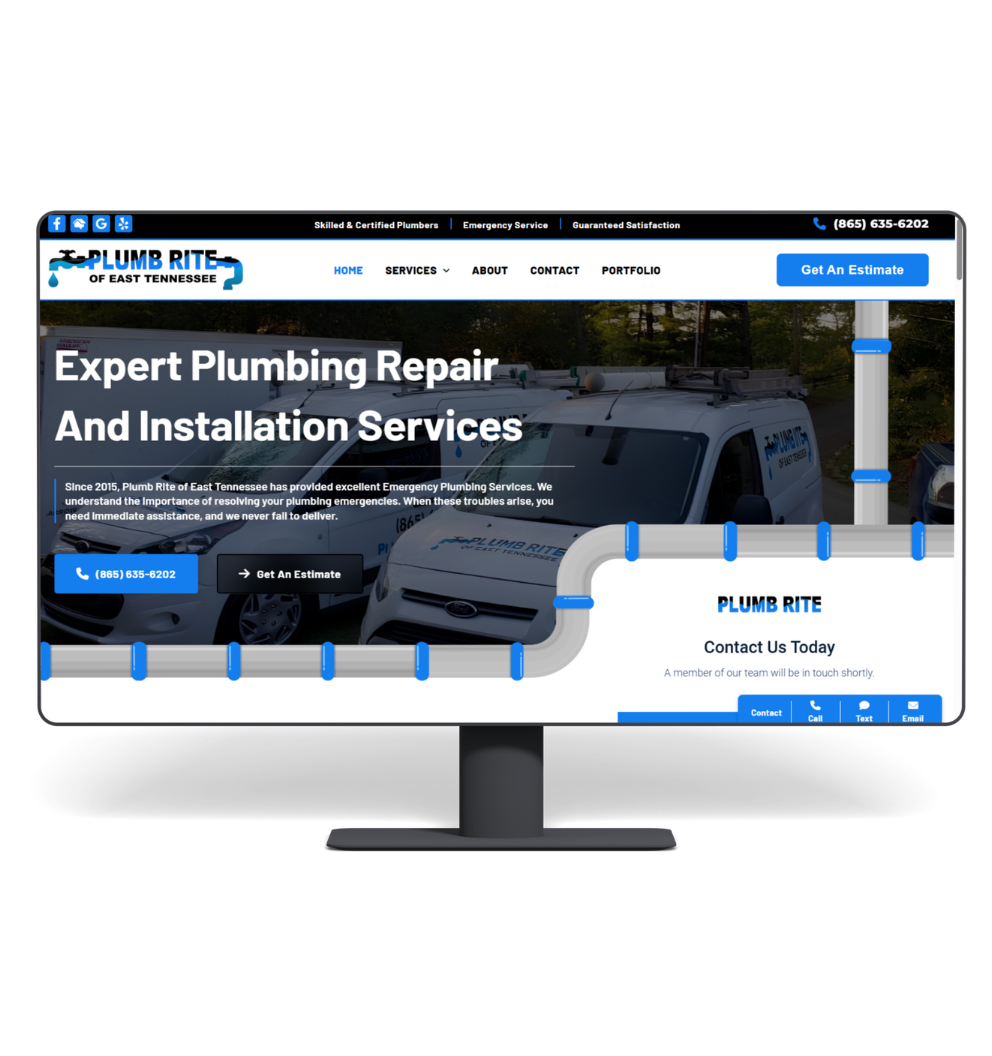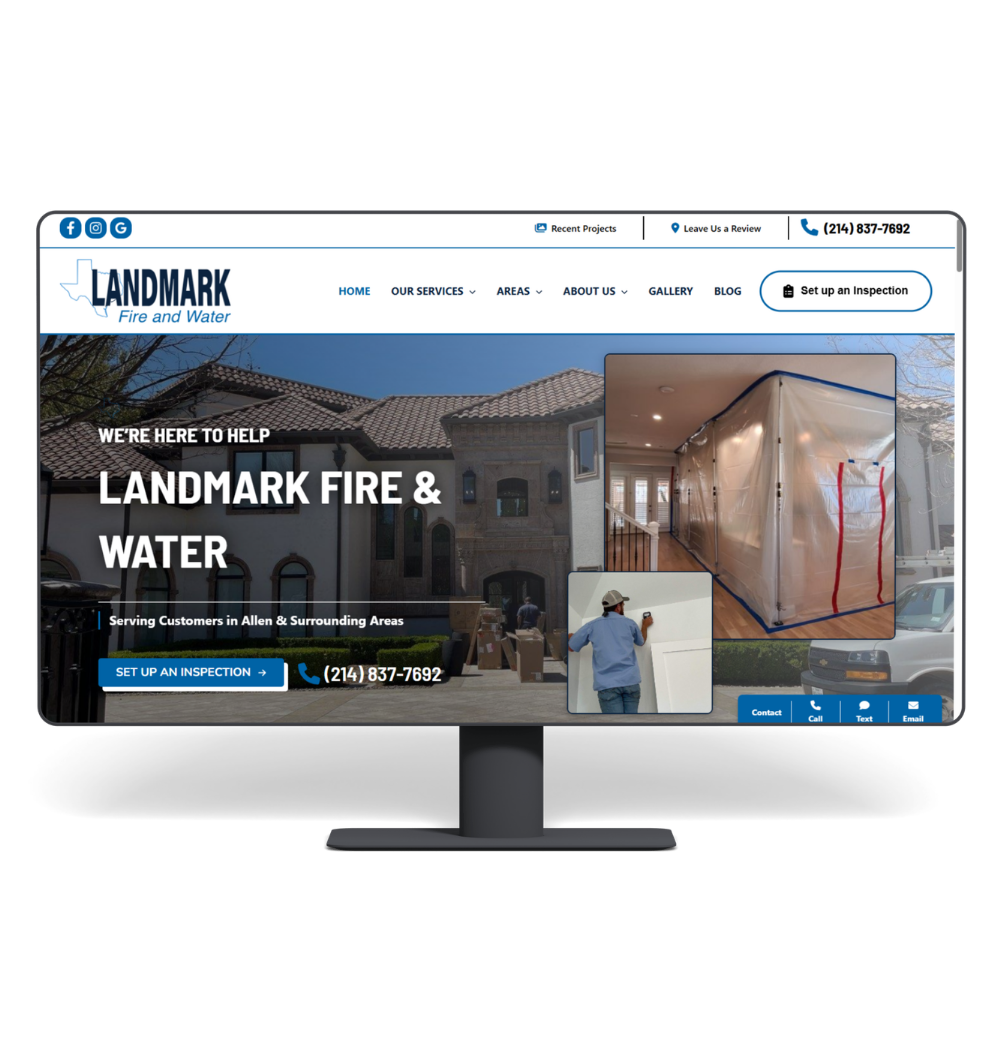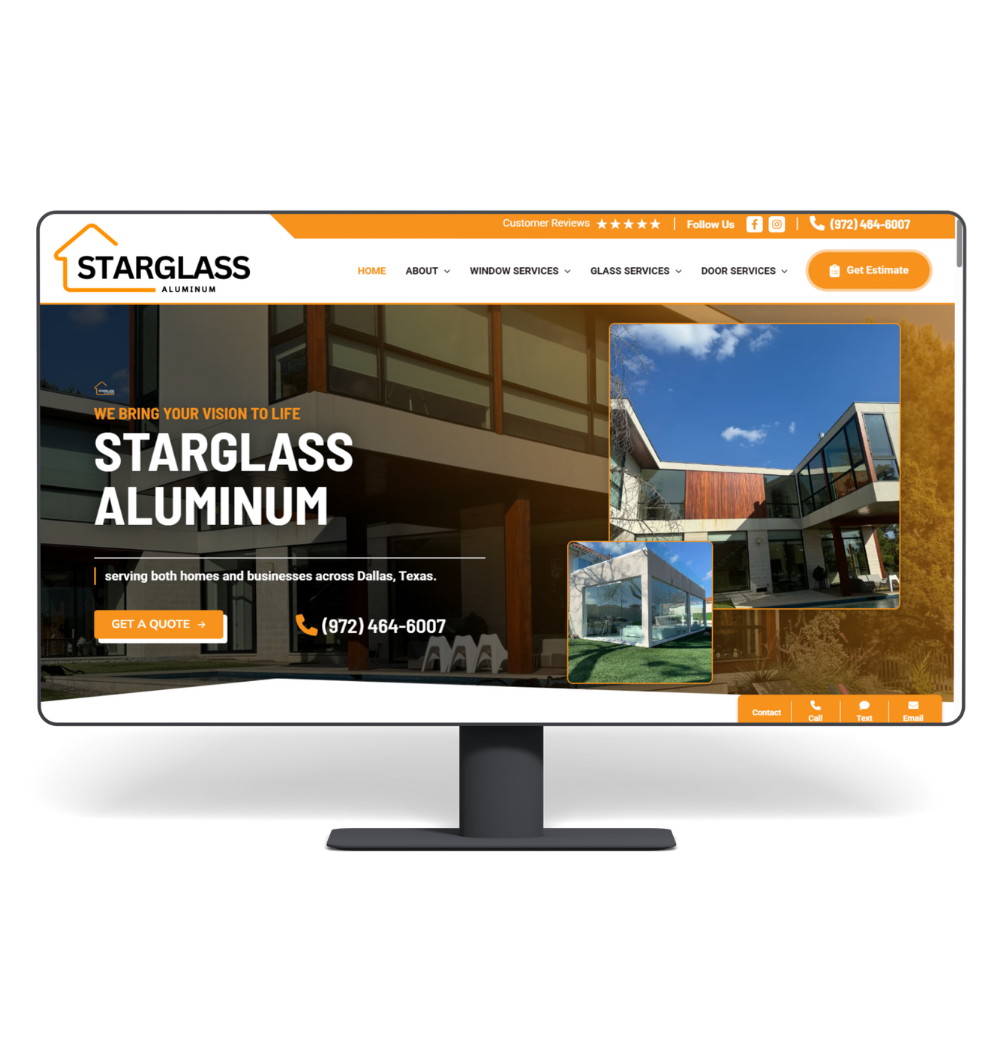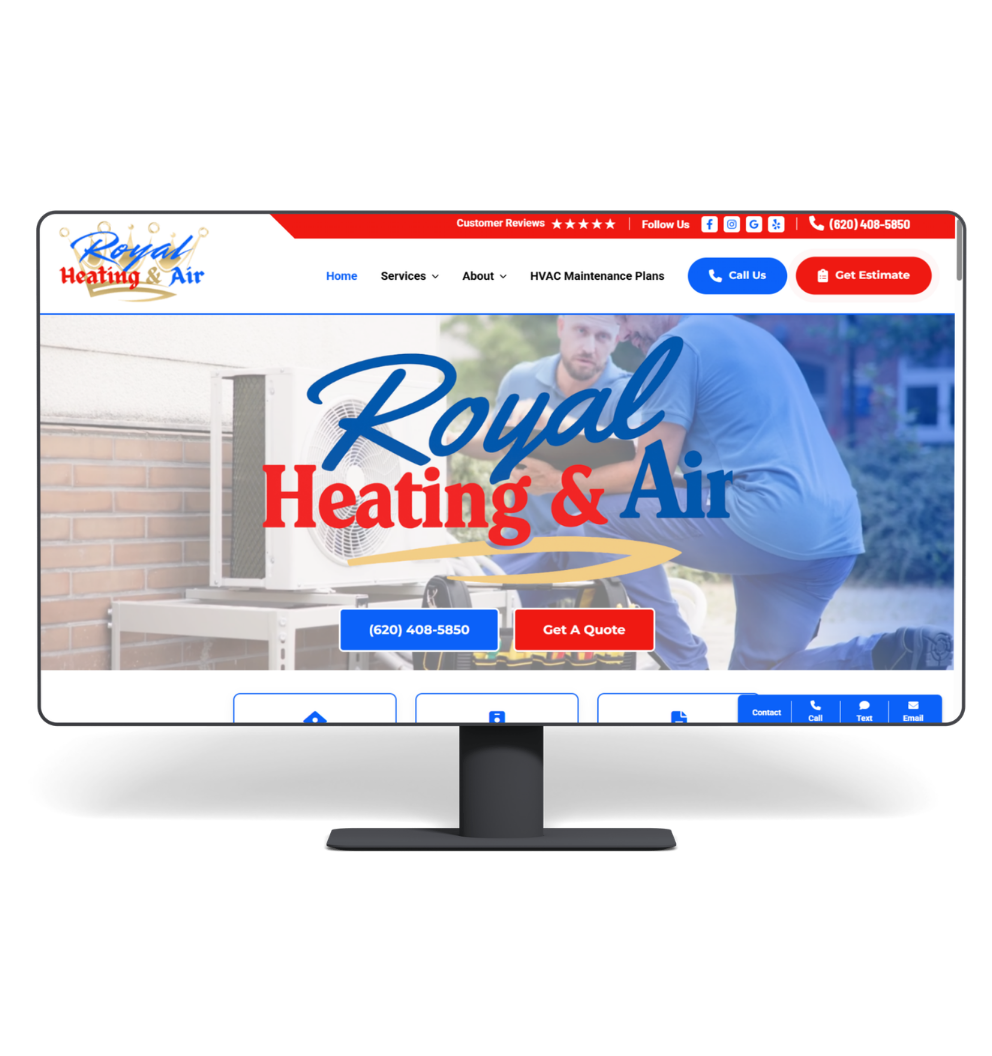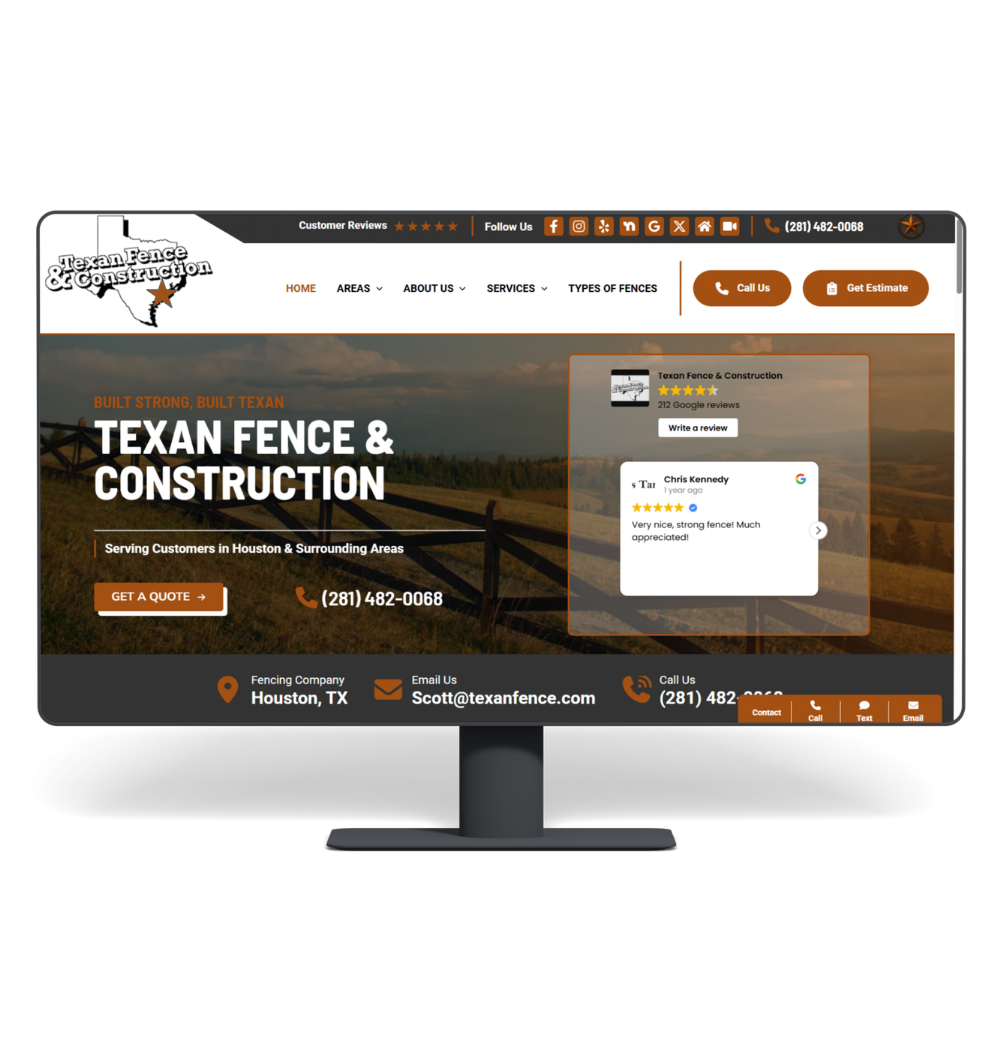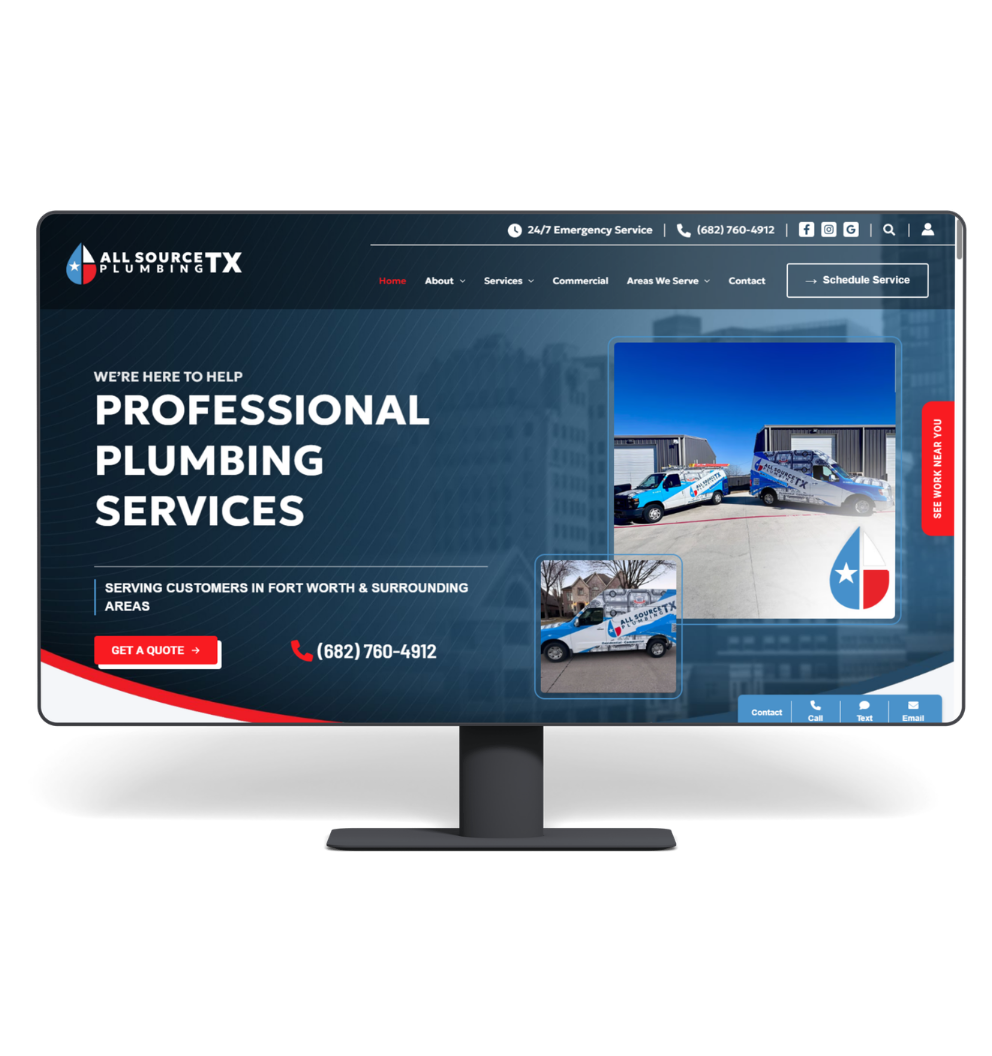

Marketing Agency Landing Pages Optimized for SEO Conversions
A marketing agency can do everything “right” on paper—rank for a few keywords, post consistently, run ads—but still lose leads because the landing page doesn’t match how prospects actually decide.
In Allen, TX (and across the Dallas–Fort Worth area), we see this pattern a lot: people search on mobile, skim fast, and choose the provider that feels most specific, most credible, and easiest to contact. If your landing page reads like a generic brochure or funnels traffic to the wrong next step, you’ll pay for clicks or spend months building rankings that never turn into calls.
This article breaks down how to build marketing agency landing pages that work for both SEO and conversions—without guessing. You’ll get a quick answer, a practical framework, common mistakes we see in redesigns, and a checklist you can use immediately.
Quick Answer
SEO-optimized marketing agency landing pages convert best when they:
- match search intent (service + outcome, not just “we do marketing”)
- clearly explain what you’ll deliver and who it’s for
- build trust quickly (proof, process, credibility signals)
- reduce friction (fast load, focused message, obvious CTA)
- support local visibility where relevant (especially for “near me” and service-area searches)
If your page ranks but doesn’t convert, it’s usually not an “SEO problem.” It’s almost always a messaging, layout, or conversion-path problem.
What Google (and Prospects) Actually Want From a Landing Page
Most landing pages fail because they try to please two audiences with one message:
1. Search engines want relevance and clarity: the page should answer the query.
2. Prospects want certainty fast: “Will this agency solve my problem, and can I trust them?”
Here’s the practical thing we’ve learned working on client websites: the best landing pages read like a helpful sales conversation, not like a homepage section.
A real-world scenario we see often
A local agency (let’s call them “DFW Growth Partners”) posts content and starts ranking for “marketing agency” and a couple service terms. Leads are coming in—but they’re low quality. When we review the landing pages, we often find:
- the page targets everyone (“small businesses,” “startups,” “any industry”)
- the CTA is buried or generic (“Contact Us” with no context)
- there’s little proof tied to the promised outcome
- the page doesn’t answer the searcher’s next question (“How much does this cost?” “What’s the timeline?” “What do you do first?”)
That’s why rankings alone don’t guarantee conversions.
Our Take After Working on Local Websites
We’ve built and refined landing pages for businesses that compete in crowded local markets. One consistent observation: DFW-area prospects want specificity. Not hype—specificity.
That means your landing page should include details like:
- the types of clients you’ve helped (e.g., “local service businesses,” “B2B manufacturers,” “multi-location brands”)
- the exact service bundle you recommend for the query
- what happens after they click (next step + timeline)
- a realistic process (discovery → proposal → implementation → reporting)
If you’re also thinking about broader site performance and structure, it’s worth pairing landing page work with a solid foundation. For teams that need a stronger website architecture, see web design and professional website redesign—because landing pages don’t live in isolation.
What Most Businesses Get Wrong About This
This is the section where we tell you what we see most often, because it’s rarely a “template” issue—it’s a strategy issue.
Mistake 1: Writing for “marketing” instead of the buyer’s question
A page titled “Marketing Services” might rank, but it won’t convert if the visitor searched “marketing agency for lead generation” and the page never addresses lead quality, reporting, or conversion strategy.
Mistake 2: Overloading the page with everything you do
Landing pages should feel focused. If your page lists 12 services, prospects assume you’ll deliver 12 vague results. Focus on the service the visitor came for, then offer a tight “optional add-ons” section.
Mistake 3: Weak trust signals early enough
We frequently find landing pages with testimonials—but they’re buried below pricing, or they don’t match the promised outcome.
Trust signals work best when they appear near the decision points:
- near the headline/service promise
- before the CTA
- right after you describe your process
Mistake 4: The CTA doesn’t reflect the intent of the traffic
People searching for “marketing agency” aren’t necessarily ready to “contact.” But they are usually ready for one of these:
- a short consultation
- an audit
- a proposal walkthrough
- a pricing range or “what to expect” summary
If you only offer one CTA, you’ll miss the middle-of-funnel prospects.
Mistake 5: Local SEO is treated like an afterthought
Even if you’re not strictly a “local” business, DFW searches often include local cues. If you want to win more of the “near me” and service-area traffic, the landing page should align with your visibility strategy.
If that’s your situation, start with Local SEO and make sure your landing pages support it (not conflict with it).
How This Plays Out in Allen, TX (and the Broader DFW Market)
Allen is growing fast, and the competition for attention is real. In practice, that means:
- Prospects compare agencies quickly on mobile.
- They often start with a general search (“marketing agency,” “SEO company,” “branding help”) and then narrow down.
- They look for signals that you understand their type of business and can move fast.
So your landing page should be built for quick evaluation:
- clear headline tied to an outcome
- a short “who this is for” section
- proof that matches the service
- a process that doesn’t sound like a mystery
- a conversion path that works on mobile
Also, if you’re doing SEO alongside your marketing services, don’t separate the disciplines in how the page communicates. Your SEO strategy should support the same messaging your conversion strategy promises.
If you’re trying to improve search visibility and conversion together, you’ll likely benefit from an approach that connects page structure, content, and local intent—especially through Google Business Profile improvements and ongoing optimization.
The Landing Page Framework We Use (SEO + Conversion)
Here’s a practical framework you can apply to a new page or an existing one. Think of it as “what to put where” so the page answers the query and guides the decision.
Step-by-Step Checklist (Use This on Your Next Landing Page)
1) Match the search intent with the headline
- Outcome-focused headline: what they want, not what you do.
- Example direction: “SEO Services for Local Lead Generation” beats “We Offer SEO Services.”
2) Add a 3–5 line “promise” section above the fold
- What you deliver
- Who it’s for
- What makes your approach different (process or deliverables)
3) Create an “If you’re dealing with X, we do Y” section
This is where you convert browsers into serious leads.
- X = the problem the visitor actually has
- Y = what you do (tied to the outcome)
4) Show proof that’s relevant
- testimonials tied to the promised outcome
- screenshots or examples (when you can)
- short case-style bullets (“Challenge → What we did → Result”)
5) Explain your process in 4–6 steps
Keep it readable. Prospects don’t want a novel—just clarity.
- Discovery call
- Audit / strategy
- Implementation plan
- Execution
- Reporting and next steps
6) Add a “What you get in the first 30–45 days” block
This reduces sales friction more than most agencies realize. Visitors want to know what happens immediately.
7) Provide pricing guidance without overpromising
Options:
- starting ranges
- packages
- “we recommend X based on Y” logic
8) Strengthen conversion UX
- one primary CTA (with supportive secondary options)
- sticky CTA on mobile if it fits your design
- reduce distractions (limit competing CTAs)
9) Don’t ignore technical basics
Even the best copy won’t carry a slow page.
- compress images
- keep scripts controlled
- ensure mobile layout is clean and readable
10) Tie the page to your SEO strategy
If the page targets “SEO services,” don’t make it a generic marketing page. Align the content with the query and the internal linking structure.
Comparison: What Weak Landing Pages Do vs What Works
| Landing Page Element | Weak version (common) | Strong version (what converts) |
|---|---|---|
| Headline | “Marketing Agency Services” | Outcome-based headline tied to the search query |
| Above-the-fold | vague benefits, too many promises | clear deliverables + who it’s for + next step |
| Proof | generic testimonials | proof tied to the service outcome, placed near CTAs |
| Process | unclear or overly long | 4–6 readable steps, with timeline expectations |
| CTA | “Contact us” with no context | CTA aligned to intent (audit/consultation/next step) |
| Local support | ignored | page language and structure align with service-area intent |
What’s the Role of SEO Services on a Landing Page?
A common misconception: “If we optimize for SEO, conversions will follow.” In reality, SEO and conversion are linked, but they’re not the same job.
- SEO helps the right people find your page.
- Conversion helps the right people choose you.
For marketing agencies, this means your landing page should naturally cover the topics people expect from the service they searched for:
- web page design basics (or how you design landing pages)
- SEO strategy and reporting approach
- how you handle local visibility (when relevant)
- what “good results” looks like over time
If you’re also working on the website foundation that supports these pages, ongoing improvements matter. That’s where website maintenance plans can be a quiet advantage—performance, updates, and stability protect conversion rates.
Quick Answer: “How Do I Know If My Landing Page Is the Problem?”
If your SEO is bringing traffic but leads aren’t coming in, use this fast diagnostic:
- Rankings up, conversions down → messaging, trust signals, or CTA friction.
- Traffic low, rankings average → SEO targeting, internal linking, or page relevance.
- Bounce rate high → headline mismatch, slow load, or above-the-fold confusion.
- Scroll depth low → layout and readability issues on mobile.
- Clicks on CTA but no replies → form friction, unclear expectations, or weak offer.
In most cases we see in the DFW market, the issue is a mismatch between the promise of the page and the expectations created by the search intent.
Ready to Improve Your Website or Rankings?
If you want landing pages that attract the right clicks and turn them into real consultations, Click Wise Design can help you align SEO strategy with conversion-focused web design.
A good next step is reviewing your current landing page structure and search intent match—then updating the messaging, proof placement, and CTA path so it performs for Allen-area and DFW buyers.
About Click Wise Design
Click Wise Design is a web design and SEO company based in Allen, TX, helping local and service-based businesses improve their websites, search visibility, and online lead generation. We focus on practical, conversion-focused strategies—so your traffic turns into calls, not just pageviews.